
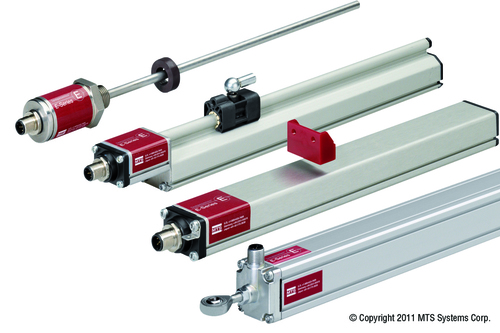
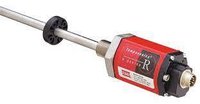
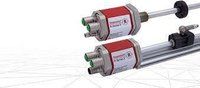
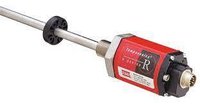
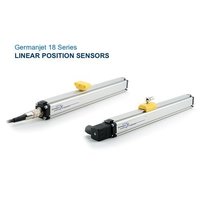
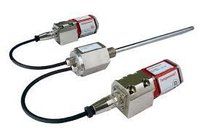
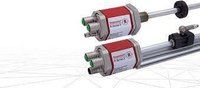
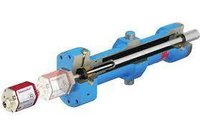
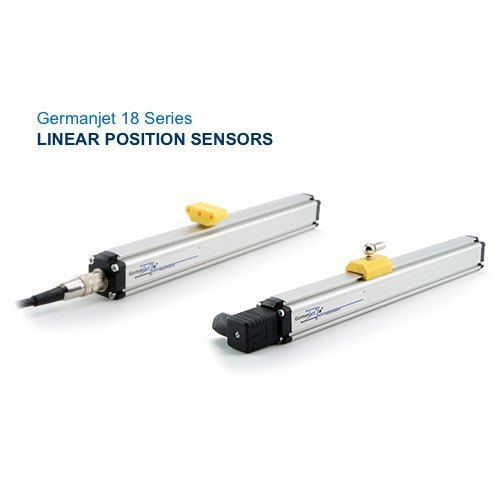
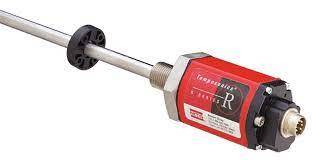
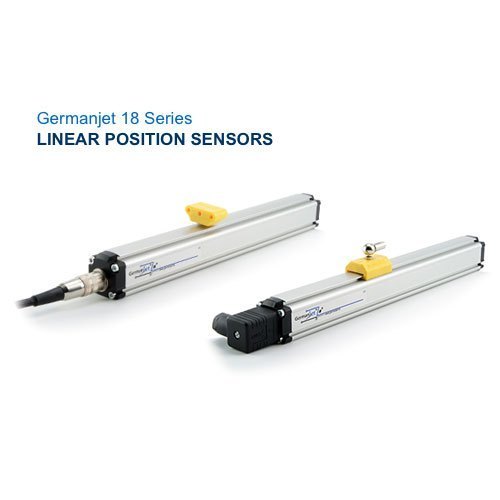
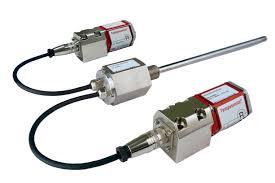
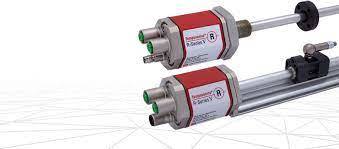
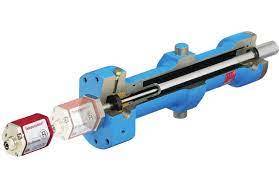
Temposonic LVDT
86700 INR/Piece
Product Details:
- Current Range 420 mA
- Equipment Type Temposonic LVDT (Linear Variable Differential Transformer)
- Measurement Range Up to 7600 mm
- Temperature Range -40C to +85C
- Resolution As low as 1 micron
- Sensor Type Magnetostrictive Linear Position Sensor
- Connectivity Type Analog 420 mA, Voltage, or Digital interface
- Click to View more
X
Temposonic LVDT Price And Quantity
- 86700 INR/Piece
- 1 Piece
Temposonic LVDT Product Specifications
- 24 volt
- Stainless Steel Housing
- 420 mA
- Up to 0.05% F.S. (depends on model)
- As low as 1 micron
- -40C to +85C
- Customizable, standard from 25 mm to 7600 mm
- Not Applicable (Analog Output)
- Temposonic LVDT (Linear Variable Differential Transformer)
- Up to 7600 mm
- Magnetostrictive Linear Position Sensor
- Analog 420 mA, Voltage, or Digital interface
- Up to 90% RH, non-condensing
- > 100 million cycles
- IP67/IP68 (depending on model)
- 15 g (10-2000 Hz)
- Standard 2 m (other lengths on request)
- Industrial automation, hydraulic cylinders, material handling
- Analog or Digital (SSI, Profibus, CANbus, EtherCAT, etc.)
- Standard and custom lengths available
- Brackets or Flange-mounted
- 0.01 mm
- 100 g (11 ms)
Temposonic LVDT Trade Information
- Letter of Credit (L/C), Telegraphic Transfer (T/T), Cash in Advance (CID), Cheque
- 1000 Piece Per Month
- 1 Week
Product Description
Conversion Principles:- Electromagnetic
- Magnetoelectric
- Electrostatic
- Analog and discrete output
- Digital
- Static and dynamic qualities
- Sensitivity or transfer ratio - E=y / x or y is the change in output quantity y when input quantity x is changed by x
- Output signalrange of operating frequency
- Static error of conversion or of the signal
Types of LVDTs
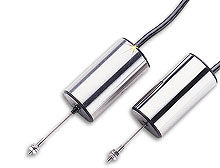 LD400:Miniature DC Output Displacement Transducers with Acetal BearingsLVDT Sensors - determine whether you need to measure a relative current: C-in, AC-out, DC-in, DC-out; or measuring resonant frequencies of coils as a function of coil position, frequency based devices.
Reliable Position Sensing for Industrial Automation
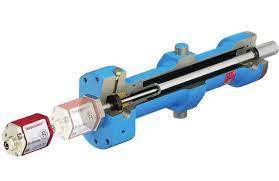
Engineered for precise linear position measurement, Temposonic LVDTs excel in automated systems, hydraulic cylinders, and handling equipment. Their repeatability as low as 1 micron and high accuracy (up to 0.05% F.S.) increase efficiency and process control. Stainless steel construction and international protection ratings assure operational reliability in tough environments.
Flexible Integration and Customization
Designed with customizable stroke lengths (standard: 25 mm 7600 mm), various output signals (analog or digital), and multiple mounting options, the Temposonic LVDT seamlessly integrates into new or existing setups. With options for different cable lengths and connectivity types, users can tailor the sensor to meet specific performance and installation requirements.
FAQs of Temposonic LVDT:
Q: How do I install a Temposonic LVDT in my industrial system?
A: Installation can be accomplished using either brackets or flange mounting. Ensure that the sensor is securely attached to the measurement area, with the appropriate cable length and connectivity type selected for your control system. Always follow manufacturer guidelines for optimal performance.Q: What environments are suitable for Temposonic LVDT operation?
A: These sensors are suitable for demanding environments with temperatures from -40C to +85C, humidity up to 90% RH (non-condensing), and exposure to vibrations (up to 15 g) and shocks (up to 100 g), thanks to IP67/IP68 protection and stainless steel construction.Q: What are the benefits of using a Temposonic LVDT for measurement?
A: Temposonic LVDTs offer highly accurate (up to 0.05% F.S.), repeatable (0.01 mm) linear measurements, customizable ranges, and robust durability. Their long mechanical life and resistance to harsh conditions result in reduced maintenance and improved process reliability.Q: When should I choose a digital output versus an analog output?
A: Select a digital output (such as SSI, Profibus, CANbus, or EtherCAT) when your system requires advanced data communication or integration with modern automation controllers. Choose analog (420 mA, voltage) for simpler applications or legacy system compatibility.Q: Where can Temposonic LVDTs be used in industrial applications?
A: They are ideal for use in automation systems, hydraulic cylinders, material handling equipment, and any application needing precise linear position feedback in industrial settings.Q: What is the process for customizing stroke lengths or cable lengths?
A: You can request custom stroke or cable lengths when placing an order. Specify your requirements to the supplier; standard stroke ranges are from 25 mm to 7600 mm and standard cable length is 2 m, with other lengths available upon request.Q: How does the high vibration and shock resistance enhance sensor reliability?
A: With resistance to 15 g vibration and 100 g shock, Temposonic LVDTs maintain accuracy and operational integrity even in dynamic or impact-prone industrial environments.Tell us about your requirement

Price:
Quantity
Select Unit
- 50
- 100
- 200
- 250
- 500
- 1000+
Additional detail
Mobile number
Email

Other Products in 'Level Instruments' category


YASH INDIA
GST : 24ASXPG0117F1ZZ
Contact Details

- B1-Shantinagar Vibhag 2, New Kosad Road, Near Rajwadi Partyplot,Surat - 394107, Gujarat, India
- Phone :08071792435
 Send Inquiry
 Send SMS
YASH INDIA
All Rights Reserved.(Terms of Use)
Developed and Managed by Infocom Network Private Limited.
Developed and Managed by Infocom Network Private Limited.
